Bring reports and internal work together
A report from outside and a task entered by the team belong to the same workspace. Staff can find both on the board, in a list or on the map.
 powerlocal.
For public works teams
Power Local brings incoming reports, internal tasks and inventory into a shared view for your public works team. Object context and history stay with the work.
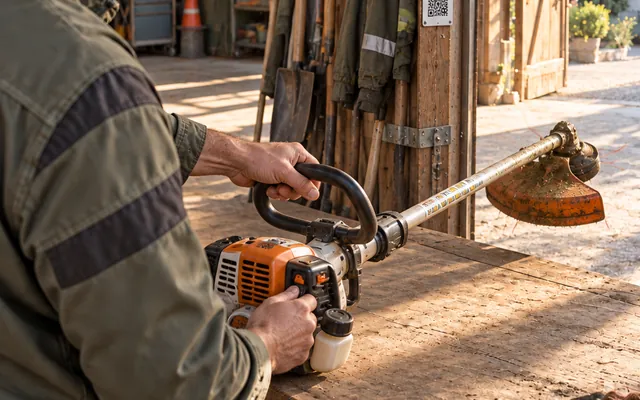
Your workspace could look like this
Does this sound familiar?
A job on the phone, a note in the vehicle, a question at shift change. Getting the work done takes the full picture.
Often scattered today
Connected with Power Local
Equipment, tasks and history are connected. Your team records what needs doing and what is already done.
Sample data · interactive preview
Explore the interface with sample data. Your changes stay in this preview and are not sent to a team.
Your reports. With the right team.
Interactive examples. All changes stay in this browser tab.
What changes in daily work
A report from outside and a task entered by the team belong to the same workspace. Staff can find both on the board, in a list or on the map.
Responsible people, urgency and due dates support assignment. Filters show the records relevant to the next job. A selection by status, urgency, category or department can be saved as a page of its own for a team. The people responsible are notified by email, in the app or both, as each person chooses; changes to watched reports arrive bundled.
QR labels connect equipment and facilities with their records. For tools that are lent out, the object shows who is using one now and who had it before. Linked reports, tasks and inspection history support team handovers.
Practical examples
For public works teams
Organise reports, internal tasks and equipment so your team can get on with the work on site.
See the workflow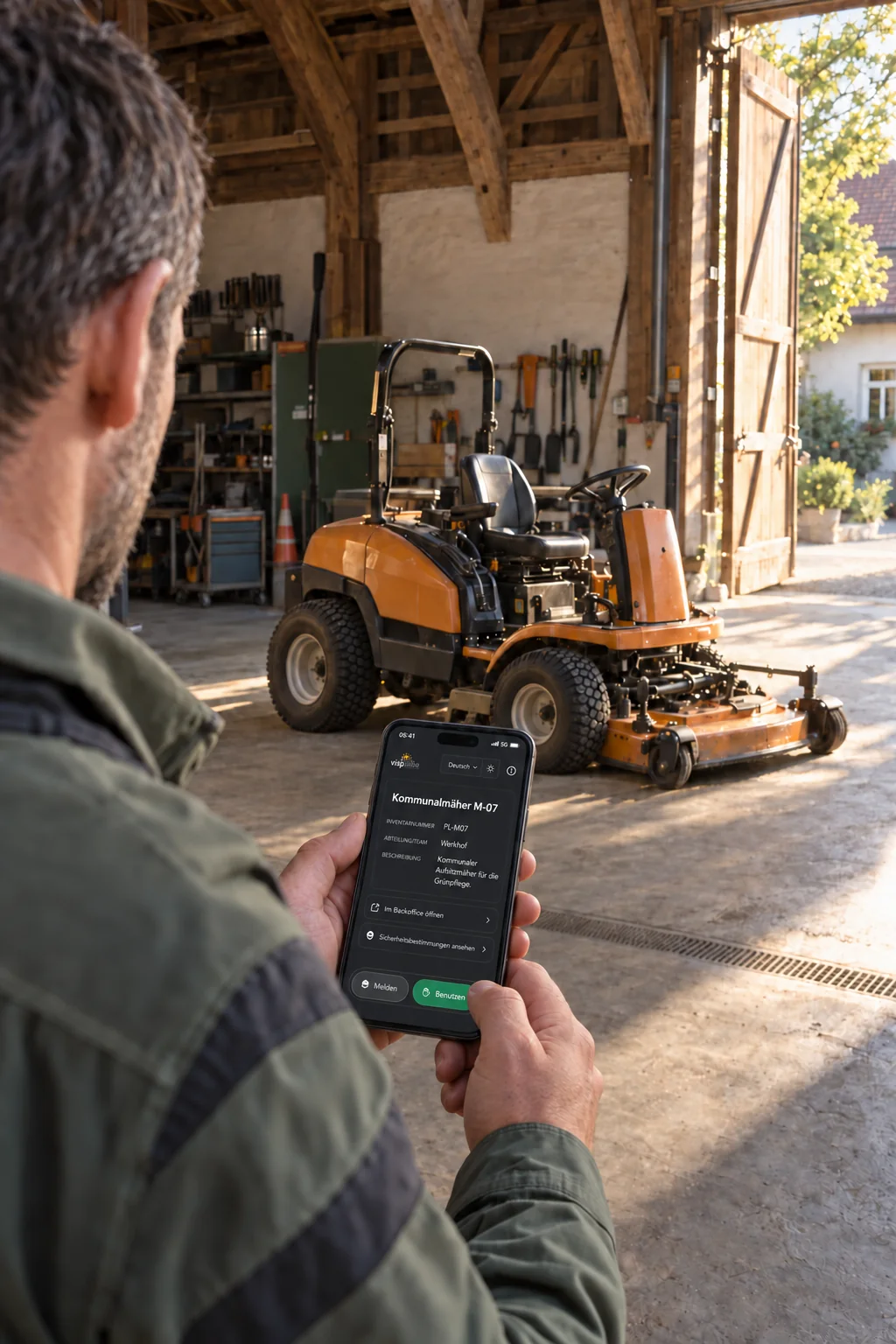
For everyday work on site
Planned work and reports from residents come together at the municipal depot. Reports submitted through QR codes on public facilities are already linked to the relevant asset. Your team assigns tasks, sets due dates and records completion.
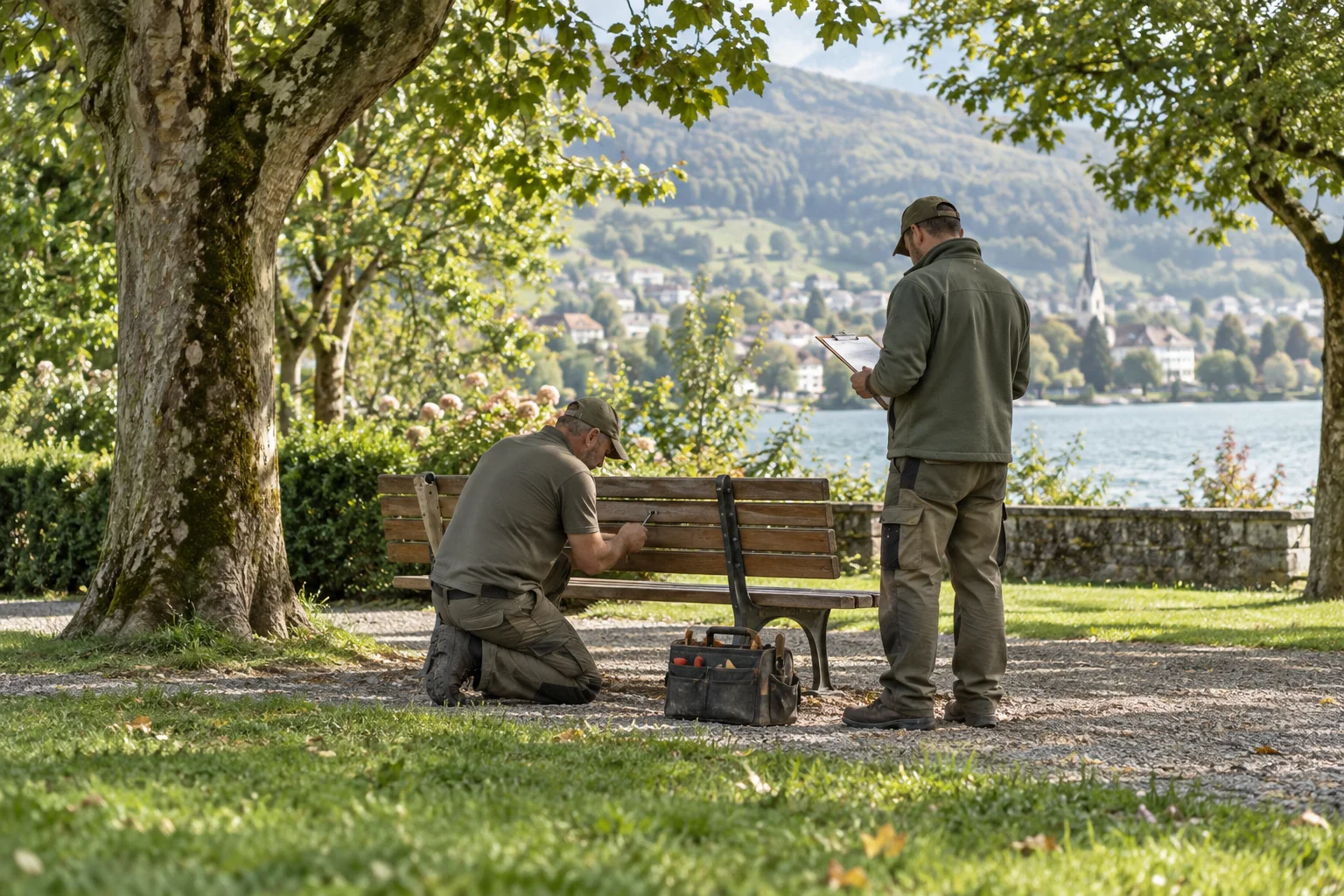
Handle incoming reports and create internal tasks in the same overview. You can also record an issue received by phone as a report.
Assign tasks to a person and set suitable deadlines. The board and filters help you spot open and overdue work.
Record follow-up questions, work carried out and completion in the report. Linked reports and tasks remain accessible from the inventory asset for future visits.
Any more questions?
Yes. The team can create internal tasks directly, assign them to a person and set a due date. They are organised in the same workspace as incoming reports.
Open in the FAQStaff can enter these issues in the platform themselves. Responsibility, status, comments and subsequent work then follow the same workflow. This does not imply an automatic import from an email inbox.
Open in the FAQYes. Inventory assets can have their own QR labels. A report started from a label retains its link to the asset; linked reports and tasks remain accessible from that asset's entry. The inventory also supports recording check-outs and returns.
Open in the FAQThe current platform requires an internet connection. Offline capture with later synchronisation is in preparation.
Open in the FAQThe next step
Explore Power Local with sample data from everyday work on site.
For playgrounds and kindergartens
A QR code at the entrance gives parents, carers and visitors practical information about the playground and a simple way to report a problem.
See the workflow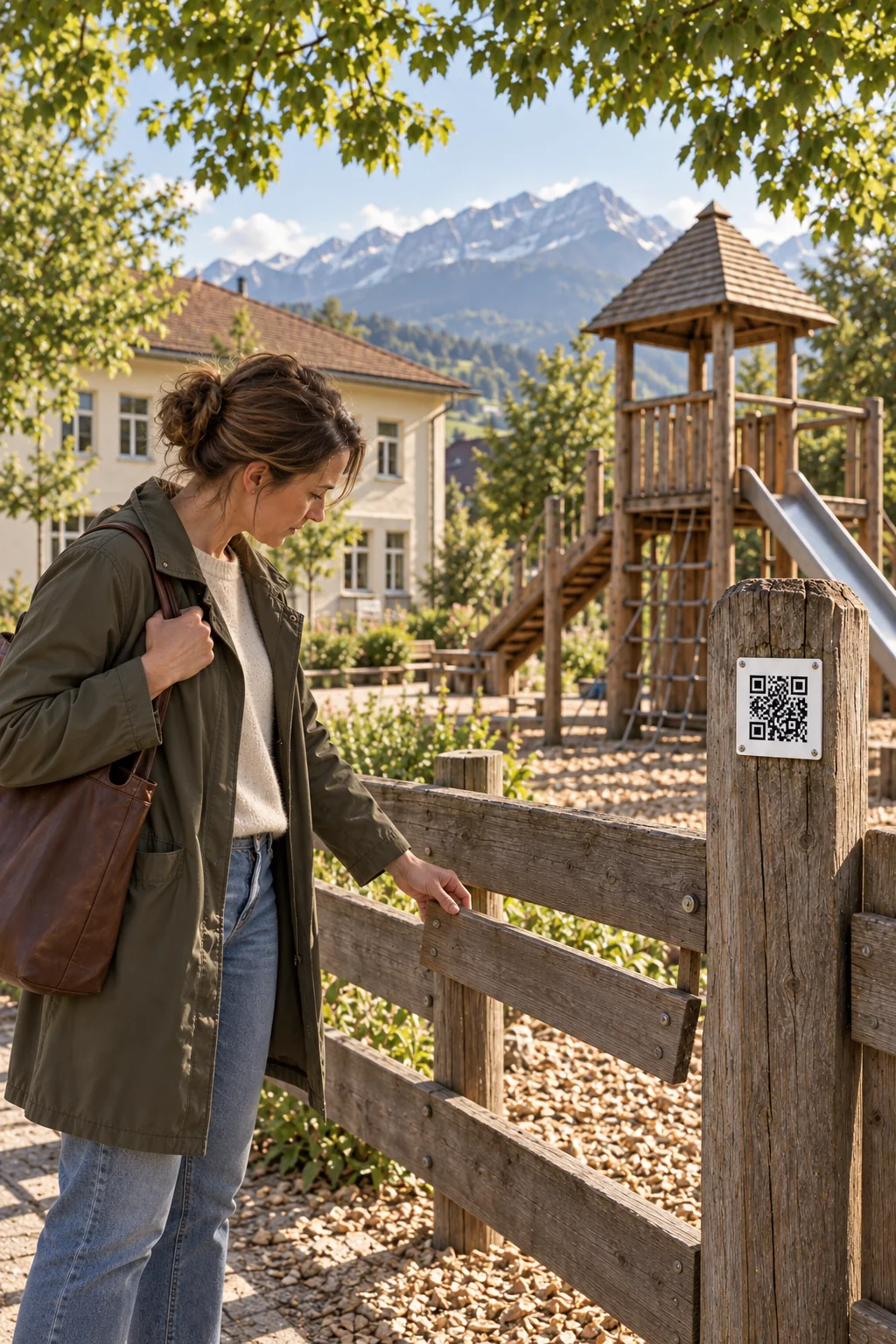
For everyday work on site
A loose wooden slat or broken glass beside the sandpit is often noticed by the people already there. The public asset page lets them read the visitor guidance and alert the responsible team. Their report is already linked to the right playground.
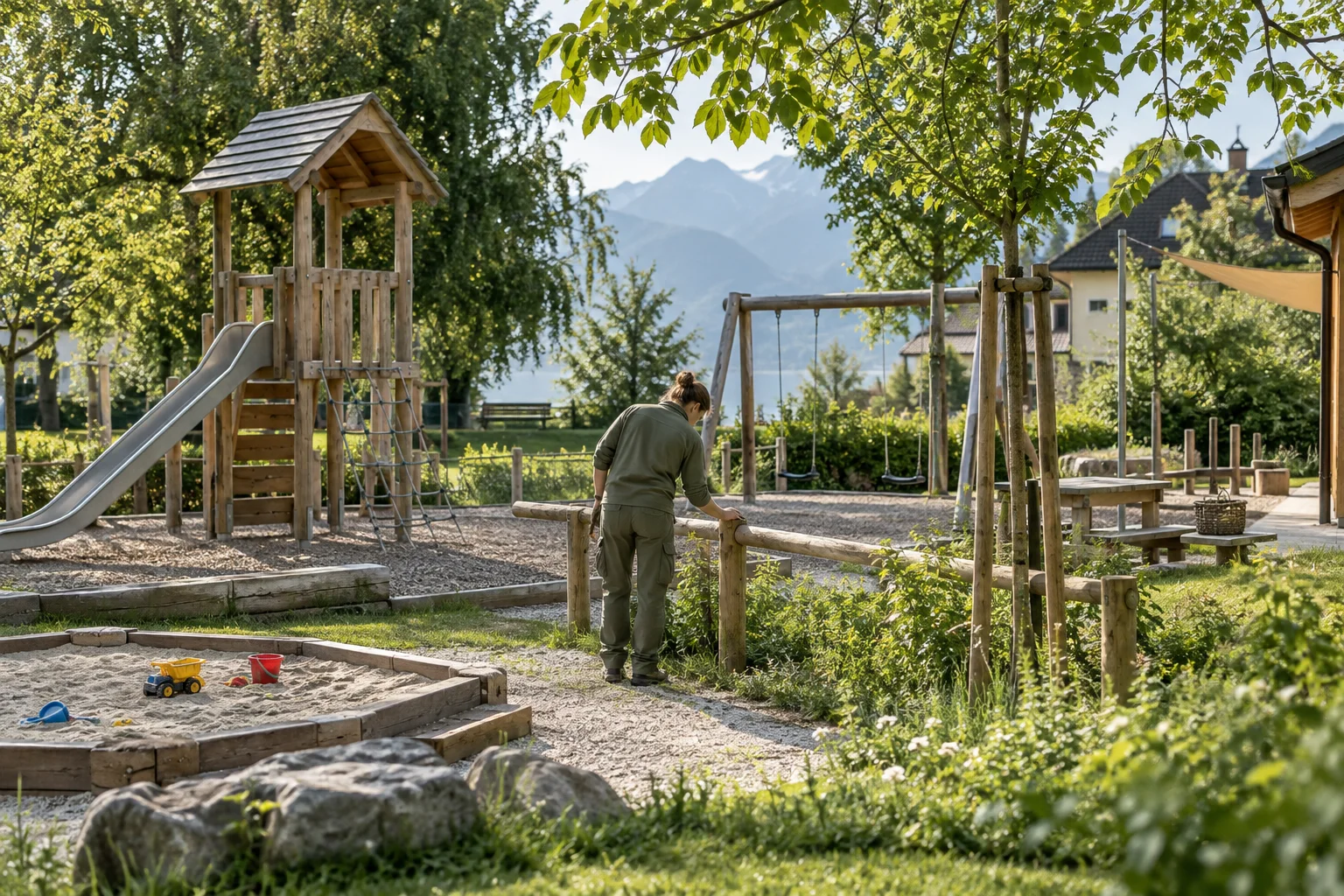
After the scan
A QR code opens the public asset page. People can find information about the place and start a report if needed.
Caretaking and public works
Welcome to our playground. Please be considerate of others and leave the area clean. Have you noticed damage or litter? Let us know.
Try reporting an issueExample: guidance for visitors is included in the asset description.
The QR code opens the playground’s public page, with its description and published pictures. Your team keeps the visitor guidance up to date there.
Parents and carers open the report form on the same page. The playground and its saved location are already linked. An optional photo helps explain the problem.
The caretaking or public works team takes on the report, assigns responsibility and priority, and records the work. The person who submitted it can follow its status through their private report link.
Any more questions?
Yes. A QR code can open the public asset page. Visitors see its name, description, responsible departments and approved images. You can share playground guidance or construction project information, for example. An action on that page opens a report linked to the same asset.
Open in the FAQNo. As long as the asset and QR code remain active, the existing code continues to lead to the same asset. Your team can maintain its description and images in the platform. Updated information appears the next time the page is opened, without reprinting the sign.
Open in the FAQNo. A QR code or link opens the form directly in the browser. Residents, staff and tenants can submit a report without installing an app or creating an account.
Open in the FAQAfter submission, they receive a confirmation with a private link. They can use it to follow progress or withdraw their report. Email notifications can also be used when the relevant contact details have been provided.
Open in the FAQThe next step
Explore Power Local with sample data from everyday work on site.
For water and utility networks
Keep inspections, maintenance and faults on hydrants, inspection chambers and other installations together in each asset’s record.
See the workflow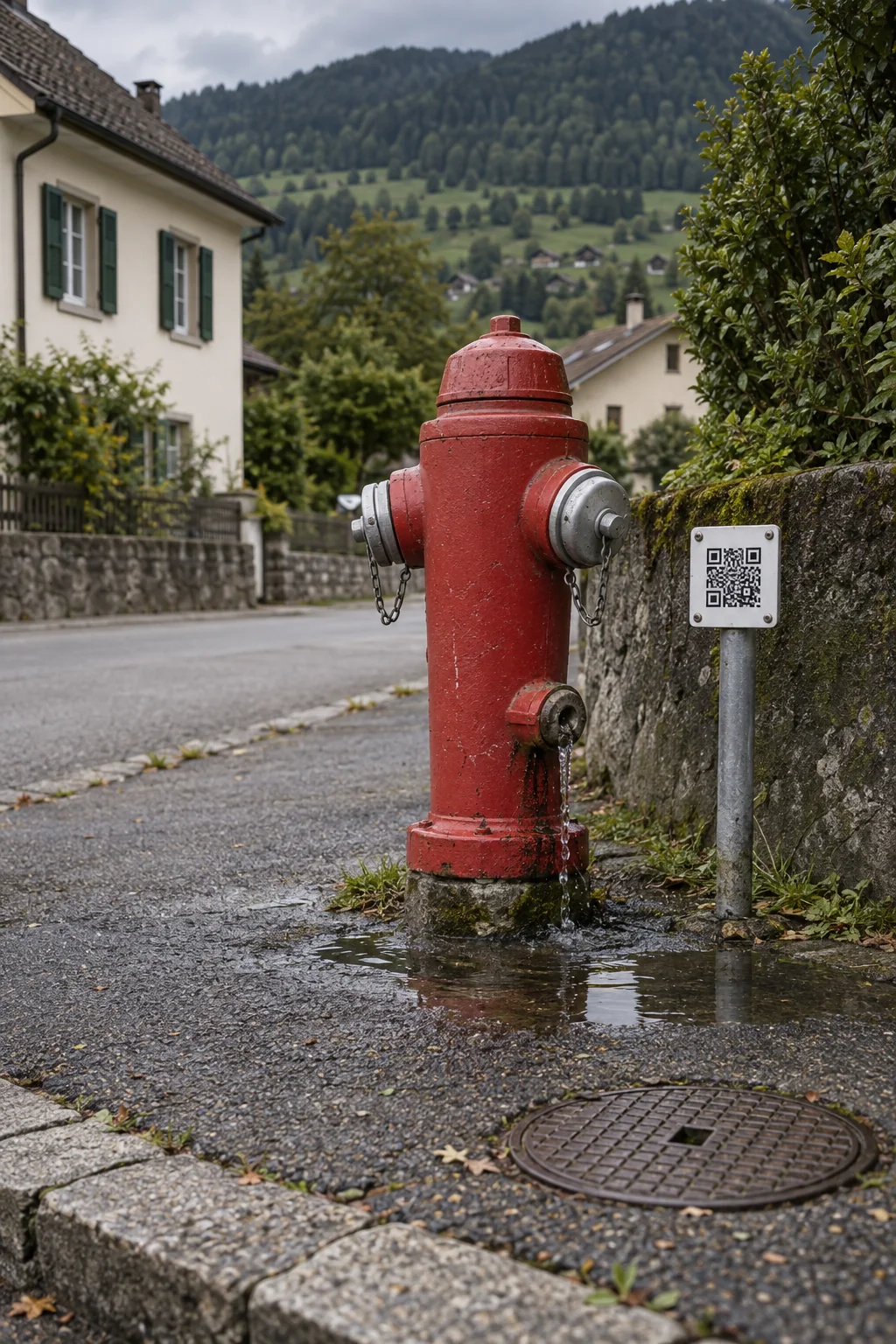
For everyday work on site
Hydrants, valves, inspection chambers, reservoirs and pumping stations are spread across the supply area. Your team uses the QR code to open the relevant asset record and complete due checklists on site. Recorded inspections and faults give the water utility an overview of the work ahead.
Add hydrants, valves, inspection chambers and other installations to the inventory with their locations. A QR label on the installation opens the relevant asset page.
Set the checkpoints and inspection interval for a category or an individual asset. Authorised team members complete the due checklist on site. Recorded defects become reports linked to the installation.
Link fault reports, repairs and documents to the affected installation. On the next visit, your team can see what has already been done, even when a different person takes over.
Any more questions?
Yes. Per category you set a checklist and its rhythm, for example every three months; a single asset can have its own list. A due checklist appears as a report on the board. Authorised staff scan the QR code on the asset and fill it in on site; a defect becomes a report on the asset straight away. A completed checklist is never changed again and stays in the history of the asset as proof. The public does not see it.
Open in the FAQYes. Inventory assets can have their own QR labels. A report started from a label retains its link to the asset; linked reports and tasks remain accessible from that asset's entry. The inventory also supports recording check-outs and returns.
Open in the FAQYes. Roles and individual permissions can be managed, while departments reflect who is responsible for the work. You can decide who may handle reports, manage inventory or view particular folders.
Open in the FAQThe current platform requires an internet connection. Offline capture with later synchronisation is in preparation.
Open in the FAQThe next step
Explore Power Local with sample data from everyday work on site.
Packages for municipal public works
For a municipal public works team, licence scope follows the municipality. All current modules and unlimited users and reports are included.
For public works in municipalities with up to 5,000 residents.
CHF 1,188 annually · excl. VAT
One-time standard setup from CHF 490
For public works in municipalities with up to 20,000 residents.
CHF 2,388 annually · excl. VAT
One-time standard setup from CHF 990
For other operators, larger municipalities or individually agreed scope.
A quote that fits your needs.
Setup based on scope
Prices exclude VAT, billed annually in advance, hosting separate. For municipalities with 5,001 to 8,000 residents: CHF 1,188 plus CHF 0.40 per additional resident per year. Setup with installation, logo, colours and basic configuration included; data migration, training and custom changes as required.
Planning your introduction
Start with equipment or facilities where reports and inspections regularly come together. Clarify categories, locations and the object information you need.
Define who records, assigns and completes work. Due dates and status help when the team maintains them within an agreed process.
Plan QR labels and team introduction, and check connectivity where people report through a QR code. Your team can install the workspace on a phone like an app and get in-app notifications as push notifications if they wish. Existing data and additional customisation are agreed separately.
Before you decide
Yes. Internal tasks can be entered directly, assigned to a person and given a due date. They are organised in the same workspace as incoming reports. Recurring work such as a service every three months is set once at the object and then appears on the board as a new task each time it is due.
Scanning opens the relevant object context. Linked reports and tasks remain accessible from the inventory record; authorised staff can complete due checklists on site.
Comments, photos and progress stay with the record. Linked reports and tasks can be found at the object. The history supports handovers but still needs agreed responsibilities.
The municipality can switch on status emails: people who left an email address in the form then hear when their report is in progress and when it is resolved.
Yes. Checklists and their schedule are defined for categories or individual objects. A due inspection appears as a report on the board; a fault recorded during it becomes a report at the object. Inspections, checklist updates and reporting a fault need an internet connection. Your team can install Power Local on a phone and enable push notifications.
The next step
Tell us about your tasks, the people involved and your scope. We can go through open questions in an optional video walkthrough.