Receive reports with building context
A QR code in the building takes residents to released information or the reporting form. Object context helps locate the right place.
 powerlocal.
For properties
Power Local connects building information with reports to property management and caretaking. Your team handles requests with their object context and history.
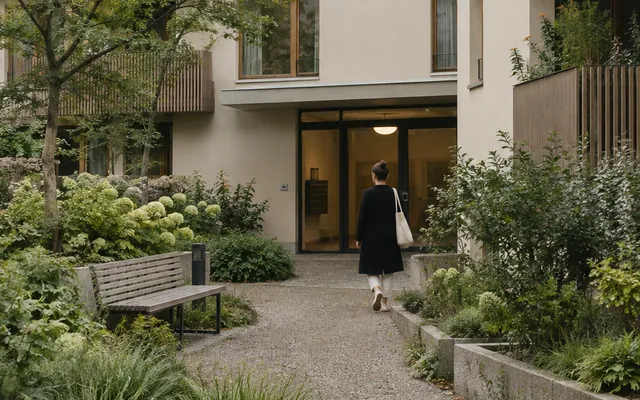
Your workspace could look like this
Does this sound familiar?
A resident reports an issue. Management and caretaking need the location, the history and a clear next step.
Often scattered today
Connected with Power Local
The asset, report and internal work come together. The next person can find the current state.
Sample data · interactive preview
Explore the interface with sample data. Your changes stay in this preview and are not sent to a team.
Your reports. With the right team.
Interactive examples. All changes stay in this browser tab.
What changes in daily work
A QR code in the building takes residents to released information or the reporting form. Object context helps locate the right place.
Categories, departments and responsible people organise the work. Status, comments and photos stay with the request through each handover. The people responsible are notified by email, in the app or both, as each person chooses; changes to watched reports arrive bundled.
Linked records remain accessible at the object. Documents can be filed in folders governed by roles and linked to reports or tasks.
Practical examples
For property managers
Read building information or report a fault to the caretaking team: a QR code in the building takes tenants straight to the right page.
See the workflow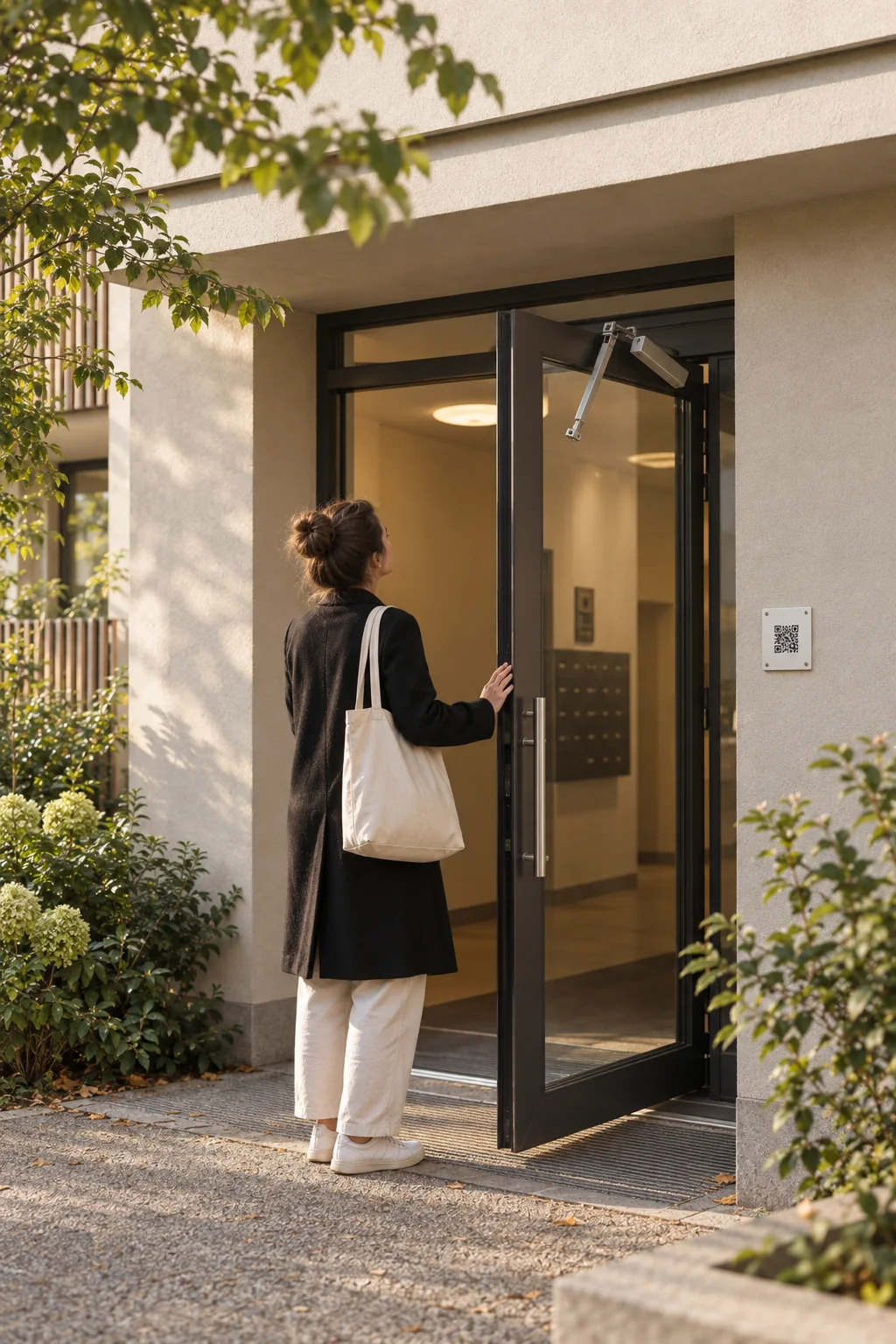
For everyday work on site
A QR code in the entrance hall or laundry room opens the guidance for that area. Tenants can also report a faulty door or washing machine there. The caretaking team sees which asset is affected and records its work directly in the report.
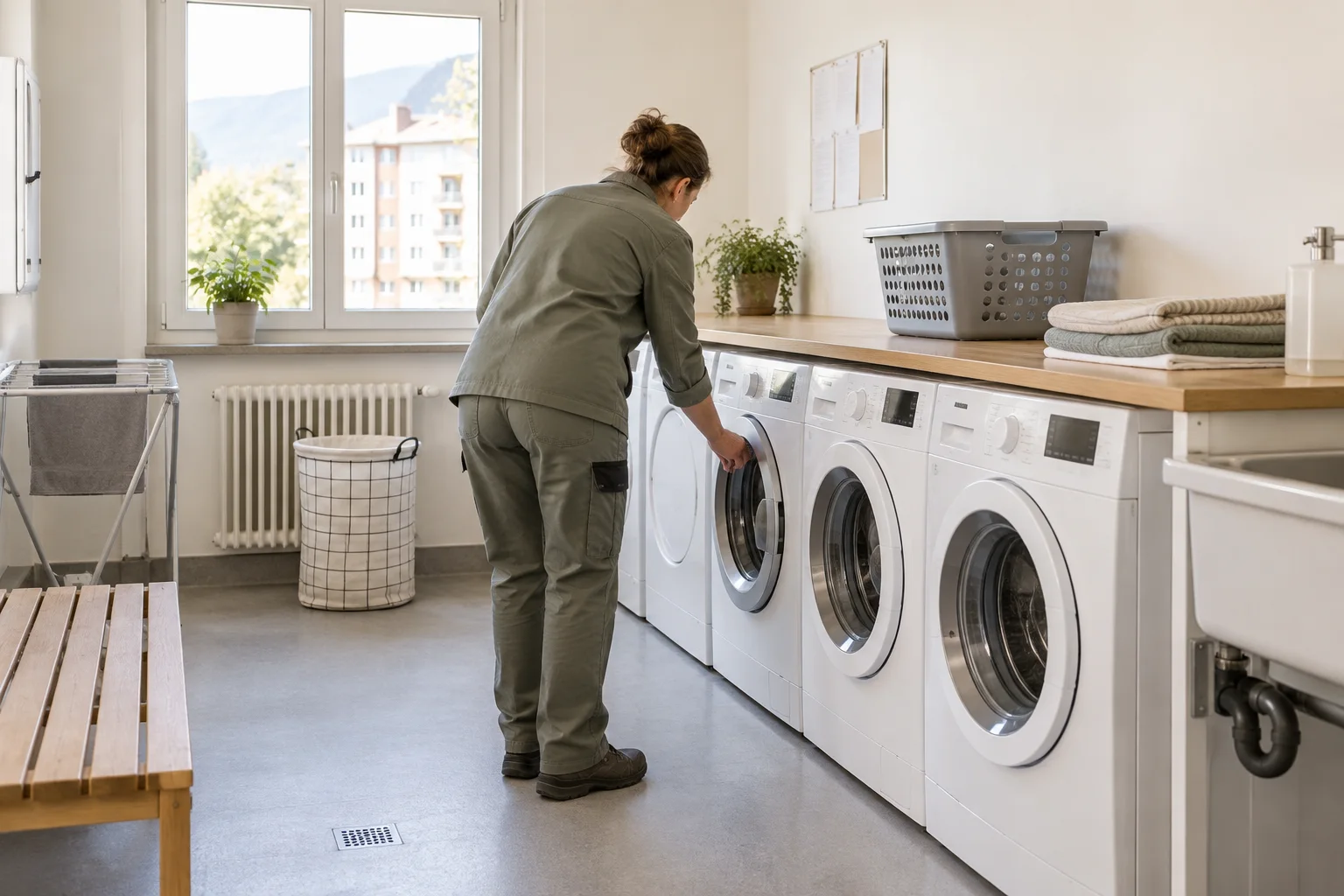
After the scan
A QR code opens the public asset page. People can find information about the place and start a report if needed.
Caretaking
Please leave the room clean and follow the washing schedule on display. Is a machine not working properly? Tell us briefly what is wrong.
Try reporting an issueExample of guidance included in the asset description.
A QR code in the building opens the asset page. Tenants can read the guidance and report a fault from there without creating an account.
Your team picks up the report, assigns it to a responsible person and keeps follow-up questions and deadlines in one place.
Link the report to the relevant inventory asset and documents. The next person can see what has already been checked or repaired.
Any more questions?
Yes. A QR code can open the public asset page. Visitors see its name, description, responsible departments and approved images. You can share playground guidance or construction project information, for example. An action on that page opens a report linked to the same asset.
Open in the FAQNo. Both are optional. A photo often helps the team understand the problem; contact details allow follow-up questions or notifications when needed.
Open in the FAQThe file module provides folders, file versions and a recycle bin. Relevant documents can be linked to reports or tasks. Roles control which folders each person can see.
Open in the FAQYes. Roles and individual permissions can be managed, while departments reflect who is responsible for the work. You can decide who may handle reports, manage inventory or view particular folders.
Open in the FAQThe next step
Explore Power Local with sample data from everyday work on site.
For playgrounds and kindergartens
A QR code at the entrance gives parents, carers and visitors practical information about the playground and a simple way to report a problem.
See the workflow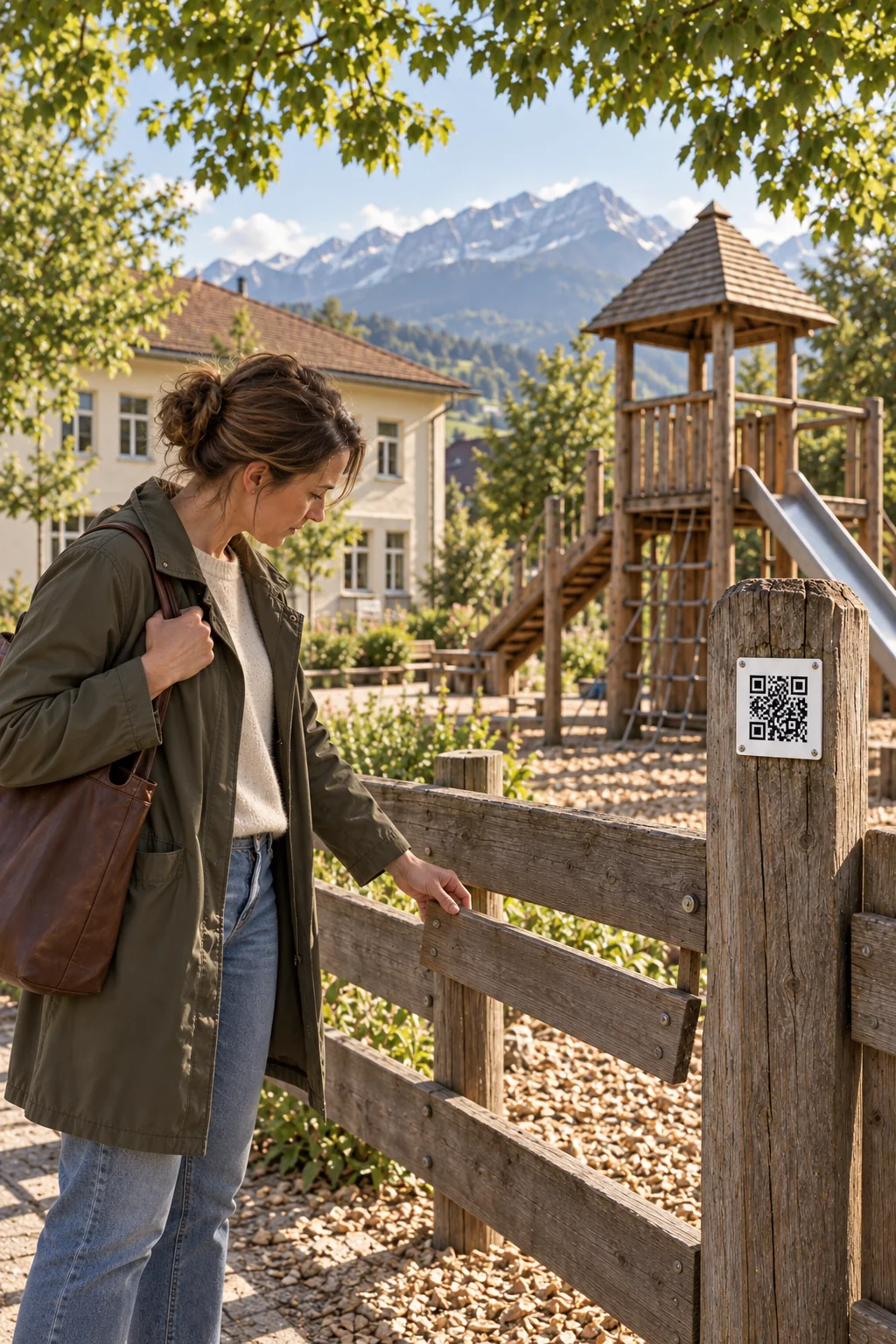
For everyday work on site
A loose wooden slat or broken glass beside the sandpit is often noticed by the people already there. The public asset page lets them read the visitor guidance and alert the responsible team. Their report is already linked to the right playground.
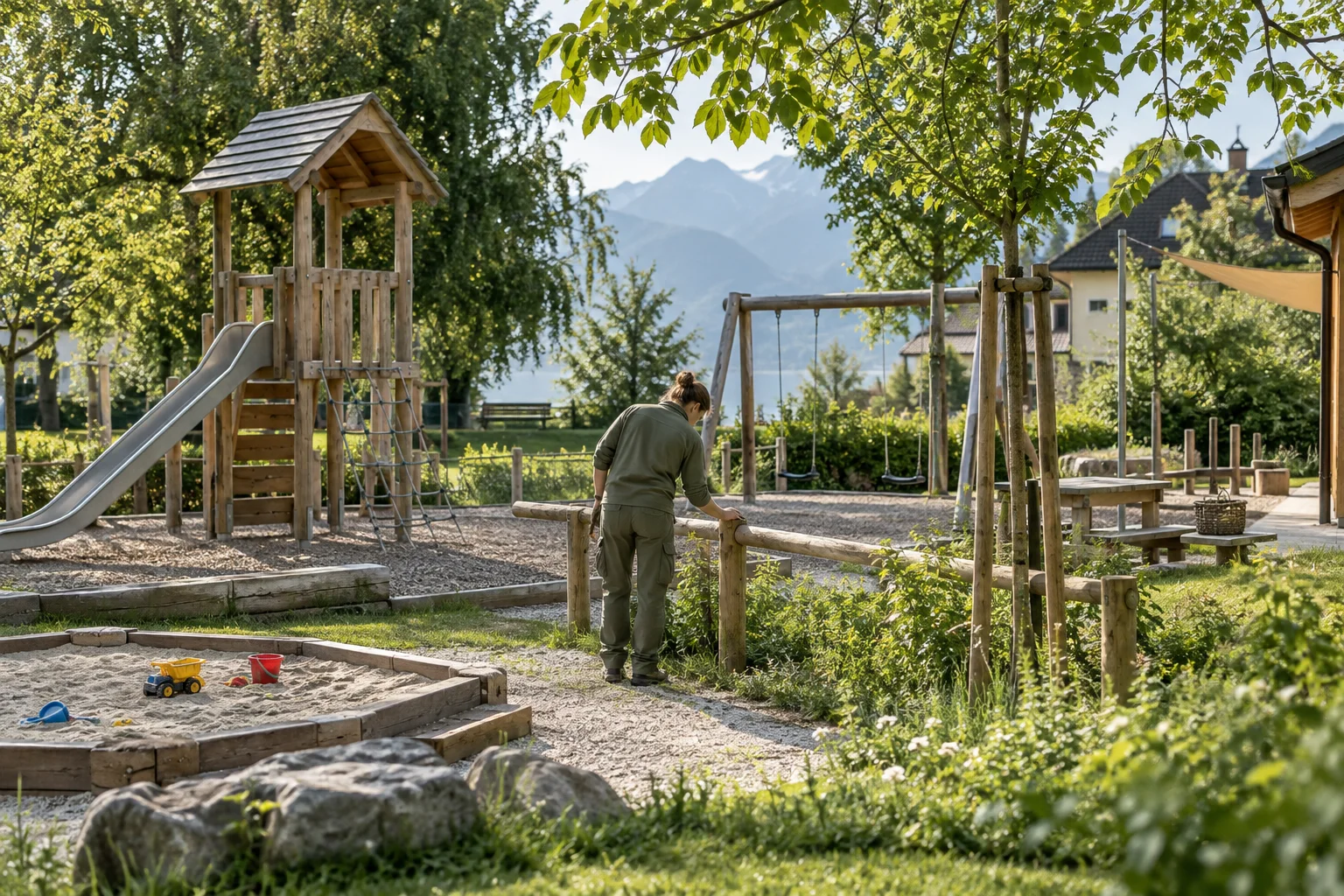
After the scan
A QR code opens the public asset page. People can find information about the place and start a report if needed.
Caretaking and public works
Welcome to our playground. Please be considerate of others and leave the area clean. Have you noticed damage or litter? Let us know.
Try reporting an issueExample: guidance for visitors is included in the asset description.
The QR code opens the playground’s public page, with its description and published pictures. Your team keeps the visitor guidance up to date there.
Parents and carers open the report form on the same page. The playground and its saved location are already linked. An optional photo helps explain the problem.
The caretaking or public works team takes on the report, assigns responsibility and priority, and records the work. The person who submitted it can follow its status through their private report link.
Any more questions?
Yes. A QR code can open the public asset page. Visitors see its name, description, responsible departments and approved images. You can share playground guidance or construction project information, for example. An action on that page opens a report linked to the same asset.
Open in the FAQNo. As long as the asset and QR code remain active, the existing code continues to lead to the same asset. Your team can maintain its description and images in the platform. Updated information appears the next time the page is opened, without reprinting the sign.
Open in the FAQNo. A QR code or link opens the form directly in the browser. Residents, staff and tenants can submit a report without installing an app or creating an account.
Open in the FAQAfter submission, they receive a confirmation with a private link. They can use it to follow progress or withdraw their report. Email notifications can also be used when the relevant contact details have been provided.
Open in the FAQThe next step
Explore Power Local with sample data from everyday work on site.
Licence packages for properties
Compare the licence packages. We clarify buildings, sites and tasks for your quote; dwelling count alone does not determine a package.
For starting with a single property. The appropriate scope is clarified together.
Indicative licence price; scope agreed by quote.
CHF 1,188 annually · excl. VAT
One-time standard setup from CHF 490
A guide for portfolios with up to 2,000 dwellings. We clarify your scope and the appropriate quote together.
Indicative licence price; scope agreed by quote.
CHF 2,388 annually · excl. VAT
One-time standard setup from CHF 990
For larger portfolios and requirements across sites.
A quote that fits your needs.
Setup based on scope
Prices exclude VAT, billed annually in advance, hosting separate. Setup with installation, logo, colours and basic configuration included; data migration, training and custom changes as required.
Planning your introduction
Clarify whether to start with a property, several buildings or shared facilities. Record the objects and sites your team needs in daily work.
Decide what information should be public at the building and which documents need authorised access. Define management and caretaking tasks alongside this.
Agree object information, QR labels and responsibilities. Caretaking staff can install the workspace on a phone like an app and get in-app notifications as push notifications if they wish. Hosting, data migration and training are planned for the installation.
Before you decide
Not for the public reporting form. It opens in the browser. A QR code can lead to released building information, directly to reporting or to a choice of both.
Roles determine which folders authorised people can see and which they can edit; replacing a plan keeps the earlier version. Public object information is separate. You decide what is published and what stays internal for the installation.
A QR code at the object carries its context and recorded location into the report. Linked reports and tasks remain accessible at the inventory record; responsibility and status are maintained with each task or report.
You can switch on status emails: people who left an email address in the form then hear when their report is in progress and when it is resolved.
Name the properties or sites, approximate dwelling count and the processes between management and caretaking. Add requirements for hosting and introduction. Scope is clarified together.
The next step
Tell us about your tasks, the people involved and your scope. We can go through open questions in an optional video walkthrough.